Managing finances in 2026 is no longer about spreadsheets and manual calculations. Businesses—whether startups, freelancers, or enterprises—are turning to powerful accounting software to automate processes, reduce errors, and gain real-time financial insights.
In this comprehensive guide, we’ll explore the top 10 accounting software tools in 2026 that can simplify your finances, improve efficiency, and help your business scale faster.
Why Accounting Software Matters in 2026
Modern accounting software has evolved far beyond basic bookkeeping. Today’s platforms integrate AI automation, real-time reporting, cloud collaboration, and multi-currency support.
Key benefits include:
- Automated expense tracking and categorization
- Real-time financial dashboards
- Tax-ready reporting and compliance tools
- Seamless integration with banks and payment systems
- Improved accuracy and reduced human error
In fact, leading platforms now use AI to automatically categorize transactions and detect anomalies, saving businesses hours of manual work.
1. QuickBooks Online — Best Overall Accounting Software
QuickBooks Online remains the industry leader in 2026, trusted by millions of businesses worldwide.
Key Features:
- Advanced reporting and analytics
- Payroll and tax automation
- Inventory management
- AI-powered insights
Why It Stands Out:
QuickBooks is considered the most comprehensive accounting platform, offering deep functionality and a massive ecosystem of integrations.
Best For:
- Small to medium-sized businesses
- Companies with complex financial needs
Pros:
- Highly scalable
- Accountant-friendly
- Powerful automation
Cons:
- Higher pricing
- Slight learning curve
2. Xero — Best for Collaboration & Simplicity
Xero is a top competitor to QuickBooks and excels in usability and collaboration.
Key Features:
- Unlimited users on all plans
- Real-time bank reconciliation
- Multi-currency support
- Cloud-based collaboration
Why It Stands Out:
Xero’s clean interface and unlimited-user model make it ideal for growing teams and international businesses.
Best For:
- Teams needing collaboration
- Global businesses
Pros:
- Easy to use
- Strong automation
- Excellent integrations
Cons:
- Limited features in lower plans
3. FreshBooks — Best for Freelancers & Service Businesses
FreshBooks is designed with simplicity in mind, making it perfect for freelancers.
Key Features:
- Professional invoicing
- Time tracking
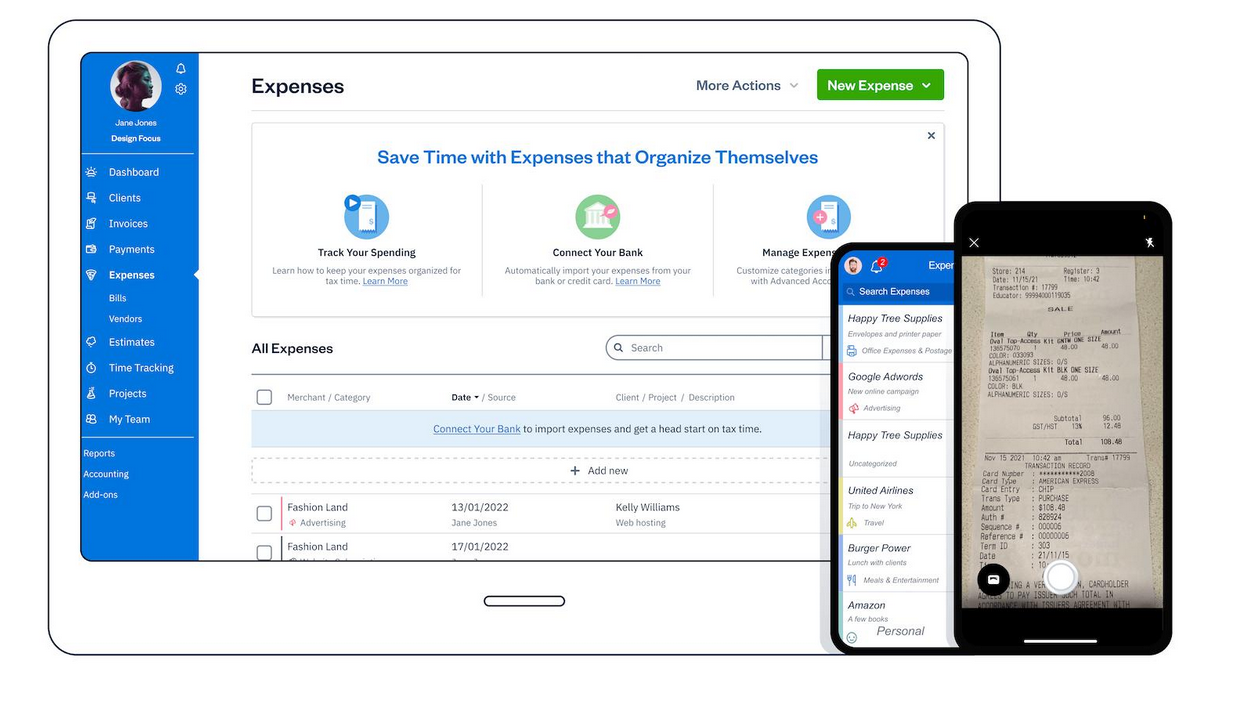
- Expense management
- Automated payment reminders
Why It Stands Out:
FreshBooks focuses on helping users get paid faster with beautiful invoices and automation tools.
Best For:
- Freelancers
- Agencies
- Consultants
Pros:
- Very user-friendly
- Excellent invoicing features
- Built-in time tracking
Cons:
- Limited advanced accounting features
4. Zoho Books — Best Value for Money
Zoho Books offers powerful features at a competitive price, making it a favorite among startups.
Key Features:
- Workflow automation
- Multi-currency support
- Inventory tracking
- Integration with Zoho ecosystem
Why It Stands Out:
Zoho Books delivers enterprise-level features at a fraction of the cost, making it ideal for budget-conscious businesses.
Best For:
- Startups
- Small businesses
5. Wave — Best Free Accounting Software
Wave is one of the best free accounting tools available in 2026.
Key Features:
- Free invoicing and accounting
- Expense tracking
- Financial reporting
Why It Stands Out:
Wave provides essential accounting features at zero cost, making it perfect for new entrepreneurs.
Best For:
- Freelancers
- Small startups
6. Sage Accounting — Best for Growing Businesses
Sage Accounting is a powerful solution for businesses transitioning from small to mid-size.
Key Features:
- Cash flow management
- Invoicing and payments
- Real-time reporting
Best For:
- Growing companies
- SMEs
7. FreeAgent — Best for Freelancers in Specific Regions
FreeAgent is especially popular in the UK and among freelancers.
Key Features:
- Tax timeline and reminders
- Expense tracking
- Invoice management
Best For:
- Freelancers
- Contractors
8. Kashoo — Best for Simplicity
Kashoo focuses on simplicity and ease of use.
Key Features:
- Automatic categorization
- Simple dashboard
- Invoice management
Best For:
- Beginners
- Small businesses
9. ZipBooks — Best for Startups
ZipBooks combines simplicity with essential accounting features.
Key Features:
- Smart insights
- Basic accounting tools
- Free plan available
Best For:
- Early-stage startups
10. Akaunting — Best Open-Source Accounting Software
Akaunting is a free, open-source accounting platform.
Key Features:
- Customizable modules
- Cloud-based system
- No licensing cost
Best For:
- Developers
- Businesses needing customization
How to Choose the Right Accounting Software
Choosing the best tool depends on your business needs. Here’s a quick guide:
- Freelancers: FreshBooks, Wave
- Small Businesses: QuickBooks, Zoho Books
- Growing Teams: Xero, Sage
- Startups: ZipBooks, Wave
- Custom Needs: Akaunting
Key Trends in Accounting Software (2026)
1. AI-Powered Automation
Modern tools now use AI to automate bookkeeping and detect financial anomalies.
2. Cloud-Based Access
Cloud accounting allows access from anywhere, improving collaboration.
3. Real-Time Financial Insights
Businesses can now track performance instantly instead of waiting for monthly reports.
4. Integration Ecosystems
Top platforms integrate with CRM, payroll, and eCommerce tools.
Final Thoughts
Accounting software in 2026 is smarter, faster, and more intuitive than ever before. Whether you’re a freelancer managing invoices or a growing business handling complex finances, there’s a solution tailored to your needs.
- Best overall: QuickBooks Online
- Best for teams: Xero
- Best for freelancers: FreshBooks
- Best free option: Wave
By choosing the right accounting software, you can save time, reduce errors, and focus on growing your business instead of managing spreadsheets.