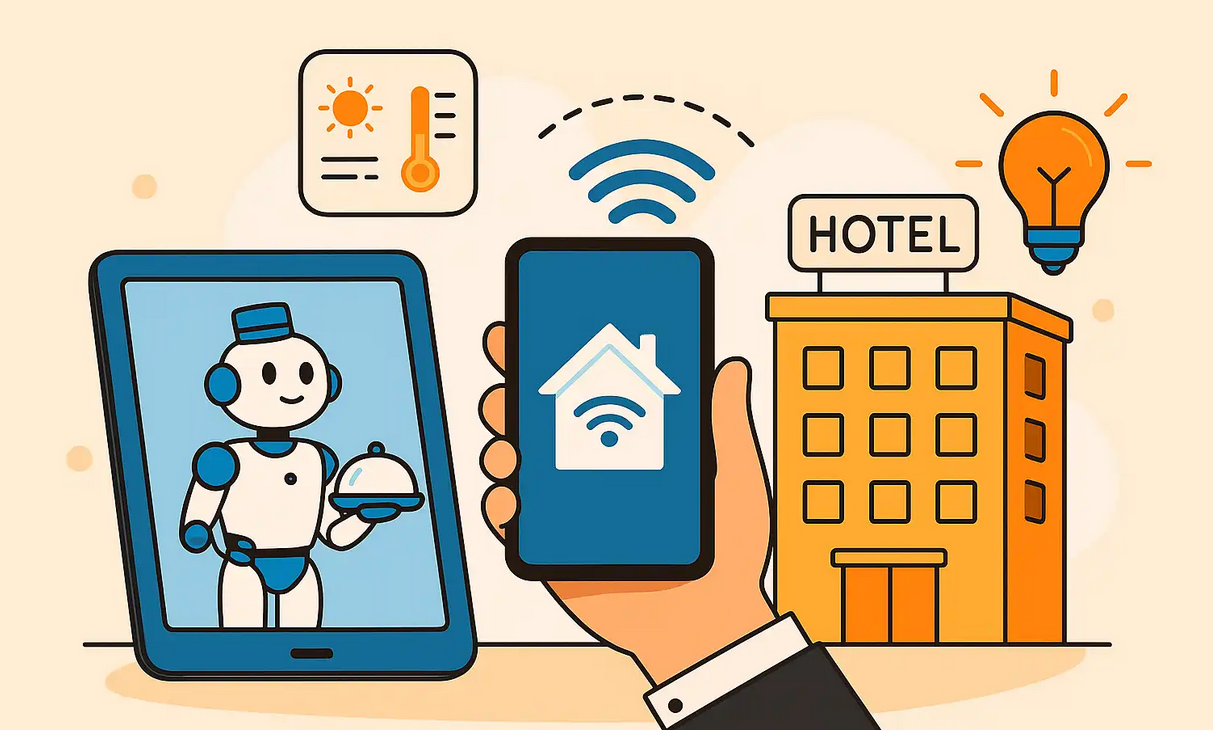
The hospitality industry is undergoing a massive digital transformation. With the rapid evolution of technology, traditional hotel experiences are being redefined into something far more personalized, efficient, and futuristic. Enter the era of smart hotels—where automation, artificial intelligence, and connected devices converge to deliver seamless guest experiences.
From voice-controlled rooms to AI-powered concierge services, smart hotels are no longer a concept of the future—they are happening now. Leading global hotel brands like Marriott International and Hilton Worldwide are already investing heavily in cutting-edge technologies to stay ahead of the competition.
In this comprehensive guide, we will explore how smart technology is transforming the hospitality industry, the benefits it brings to both guests and hotel operators, and what the future holds for smart hotels.
What Are Smart Hotels?
Smart hotels are properties that leverage advanced technologies such as the Internet of Things (IoT), artificial intelligence (AI), big data, and automation to enhance guest experiences and streamline hotel operations.
Unlike traditional hotels, smart hotels focus on:
- Personalized guest experiences
- Contactless services
- Energy efficiency
- Data-driven decision-making
- Seamless digital interactions
These hotels integrate connected devices and intelligent systems into every aspect of the guest journey—from booking to checkout.
Key Technologies Powering Smart Hotels
1. Internet of Things (IoT)
IoT is the backbone of smart hotels. It connects devices within hotel rooms and common areas, enabling them to communicate and function intelligently.
Examples include:
- Smart thermostats that adjust temperature automatically
- Motion-sensor lighting systems
- Smart TVs with personalized content
- Connected mini-bars that track consumption
Guests can control room features using smartphones or tablets, creating a fully customized stay experience.
2. Artificial Intelligence (AI)
AI plays a crucial role in enhancing customer service and operational efficiency. Hotels are using AI-powered chatbots and virtual assistants to handle guest inquiries 24/7.
For instance:
- AI chatbots assist with bookings and FAQs
- Virtual concierges recommend local attractions
- Predictive analytics anticipate guest preferences
Companies like IBM have developed AI systems that help hotels analyze guest data and improve service quality.
3. Mobile Integration and Apps
Mobile technology has become central to the smart hotel experience. Many hotels now offer dedicated apps that allow guests to:
- Check in and check out digitally
- Unlock rooms using smartphones
- Order room service
- Control lighting and temperature
This eliminates the need for physical interaction, making the experience faster and more convenient.
4. Voice Control Technology
Voice assistants are becoming increasingly common in hotel rooms. Devices powered by technologies similar to Amazon Alexa or Google Assistant allow guests to control room settings using voice commands.
Guests can say:
- “Turn off the lights”
- “Set temperature to 22°C”
- “Order breakfast”
This hands-free experience adds both convenience and a touch of luxury.
5. Contactless Technology
The COVID-19 pandemic accelerated the adoption of contactless solutions in hotels. Today, smart hotels offer:
- Contactless check-in/check-out
- Digital payments
- QR code menus
- Facial recognition systems
These features enhance safety while improving operational efficiency.
6. Robotics and Automation
Some hotels are using robots to deliver services such as:
- Room service delivery
- Luggage handling
- Cleaning and sanitation
For example, certain properties under Hyatt Hotels Corporation have experimented with service robots to enhance guest experiences.
Benefits of Smart Hotels
1. Enhanced Guest Experience
Smart hotels provide highly personalized experiences. By analyzing guest preferences, hotels can tailor:
- Room settings
- Dining options
- Entertainment recommendations
This level of personalization creates a memorable stay, increasing customer satisfaction and loyalty.
2. Increased Operational Efficiency
Automation reduces the workload on hotel staff, allowing them to focus on high-value tasks such as customer service.
Benefits include:
- Faster check-in processes
- Reduced human error
- Improved resource management
3. Energy Efficiency and Sustainability
Smart hotels use energy-efficient systems to reduce environmental impact.
Examples:
- Smart lighting that turns off when rooms are empty
- Automated HVAC systems
- Water-saving technologies
These initiatives not only lower costs but also appeal to environmentally conscious travelers.
4. Data-Driven Decision Making
Hotels collect vast amounts of data from guest interactions. This data helps in:
- Understanding customer behavior
- Improving marketing strategies
- Optimizing pricing models
Big data analytics enables hotels to make smarter business decisions.
5. Improved Security
Smart technologies enhance hotel security through:
- Keyless entry systems
- Surveillance powered by AI
- Real-time monitoring
Guests feel safer knowing that advanced systems are in place.
Real-World Examples of Smart Hotels
1. Marriott’s IoT Guestroom Lab
Marriott International launched its IoT Guestroom Lab to test smart room features such as voice control and personalized automation.
Guests can customize their entire room environment—from lighting to entertainment—with minimal effort.
2. Hilton’s Connected Room
Hilton Worldwide introduced Connected Room technology, allowing guests to control room features through a mobile app.
This includes:
- Streaming personal content to TVs
- Setting preferred room temperature before arrival
- Controlling lighting remotely
3. Alibaba’s FlyZoo Hotel
The FlyZoo Hotel by Alibaba Group in China is one of the most advanced smart hotels in the world.
Features include:
- Facial recognition check-in
- Robot room service
- Voice-controlled rooms
This hotel demonstrates how far automation can go in hospitality.
Challenges of Implementing Smart Hotel Technology
While the benefits are significant, there are also challenges to consider.
1. High Initial Investment
Installing smart systems requires substantial upfront costs. Smaller hotels may struggle to adopt these technologies due to budget constraints.
2. Data Privacy Concerns
With increased data collection comes the risk of privacy breaches. Hotels must ensure:
- Secure data storage
- Compliance with regulations
- Transparent data usage policies
3. Technical Issues and Maintenance
Smart systems require regular updates and maintenance. Technical failures can negatively impact guest experiences.
4. Staff Training
Employees must be trained to operate and manage new technologies effectively. Without proper training, the benefits of smart systems may not be fully realized.
The Role of AI and Big Data in Personalization
Personalization is at the heart of smart hotels. AI and big data enable hotels to create tailored experiences by analyzing:
- Booking history
- Dining preferences
- Room settings
- Travel patterns
For example, a returning guest might find their room already set to their preferred temperature, with their favorite TV channels ready to watch.
This level of customization enhances satisfaction and builds long-term loyalty.
Smart Hotels and the Rise of Contactless Travel
The demand for contactless travel has grown significantly in recent years. Smart hotels are meeting this demand by offering:
- Mobile check-ins
- Digital keys
- Automated payments
These features reduce physical interaction, making travel safer and more convenient.
Future Trends in Smart Hotels
1. Integration with Smart Cities
Smart hotels will become part of broader smart city ecosystems, connecting with transportation, entertainment, and local services.
2. Advanced Robotics
Robots will become more sophisticated, handling complex tasks such as concierge services and multilingual communication.
3. Augmented Reality (AR) and Virtual Reality (VR)
Hotels may use AR and VR for:
- Virtual room tours
- Interactive guest experiences
- Enhanced entertainment
4. Biometric Technology
Biometric systems such as facial recognition and fingerprint scanning will streamline check-ins and improve security.
5. Hyper-Personalization
Future smart hotels will use AI to deliver even more personalized experiences, anticipating guest needs before they are expressed.
How Smart Hotels Impact the Hospitality Industry
Smart technology is reshaping the entire hospitality landscape.
1. Changing Guest Expectations
Modern travelers expect:
- Fast service
- Personalized experiences
- Seamless digital interactions
Hotels that fail to meet these expectations risk losing customers.
2. Increased Competition
Technology has become a key differentiator. Hotels investing in smart solutions gain a competitive edge.
3. New Business Models
Smart hotels enable new revenue streams such as:
- Premium personalized services
- Subscription-based stays
- Data-driven upselling
Tips for Hotels Looking to Go Smart
If you’re a hotel owner or operator, here are practical steps to adopt smart technology:
- Start with mobile integration and digital check-in
- Invest in IoT devices for rooms
- Implement AI-powered customer support
- Focus on data security and privacy
- Train staff thoroughly
- Gradually scale technology adoption
Conclusion
Smart hotels are revolutionizing the hospitality industry by combining technology, personalization, and efficiency. From IoT-enabled rooms to AI-driven services, these innovations are transforming how guests experience travel.
Major players like Marriott International, Hilton Worldwide, and Alibaba Group are leading the way, demonstrating the immense potential of smart hotel technology.
As technology continues to evolve, smart hotels will become the new standard rather than the exception. Hotels that embrace this transformation will not only enhance guest satisfaction but also achieve greater operational efficiency and long-term success.
In a world where convenience, personalization, and innovation are paramount, smart hotels represent the future of hospitality—and that future is already here.