In today’s fast-paced digital economy, businesses are no longer confined to desks, offices, or traditional working hours. Entrepreneurs, freelancers, and business owners are constantly on the move—meeting clients, traveling, or managing operations remotely. In this dynamic environment, having access to real-time financial data is not just a luxury; it’s a necessity. This is where mobile accounting software comes into play.
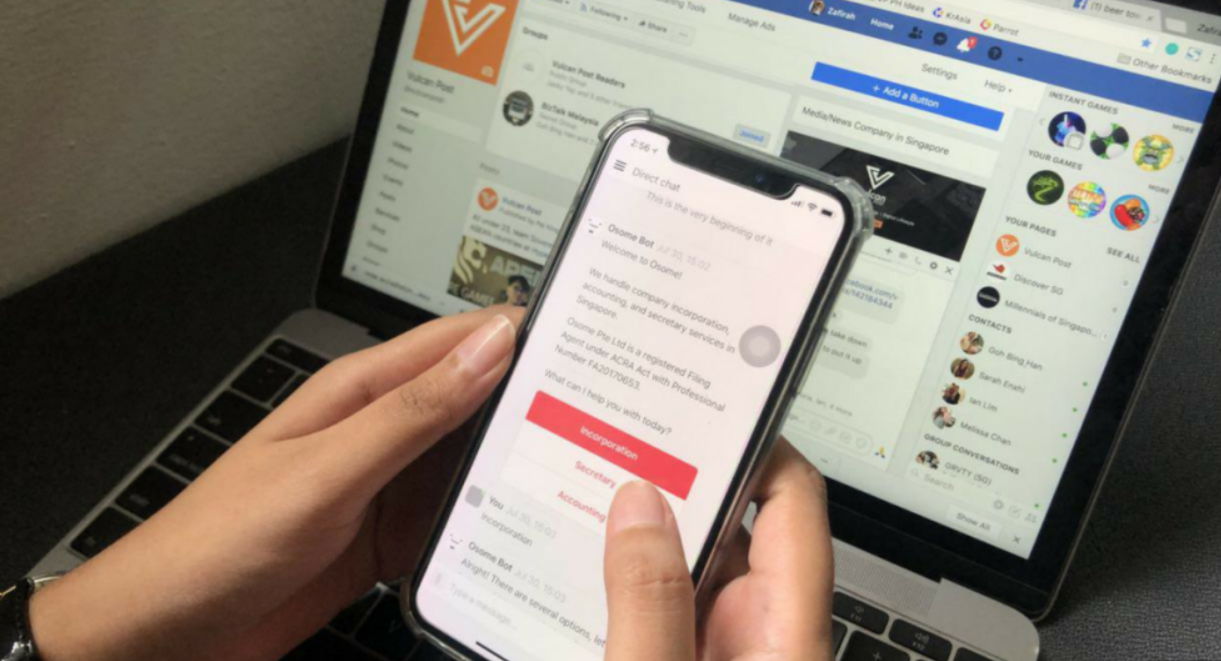
Mobile accounting software empowers users to manage their finances anytime, anywhere, directly from their smartphones or tablets. Whether you need to send invoices, track expenses, monitor cash flow, or generate financial reports, everything is just a tap away. In this comprehensive guide, we’ll explore how mobile accounting software works, its benefits, features, challenges, and how to choose the right solution for your business.
What Is Mobile Accounting Software?
Mobile accounting software is a cloud-based or app-based financial management tool designed specifically for mobile devices. Unlike traditional accounting systems that require desktop access, mobile solutions are optimized for smartphones and tablets, offering flexibility and convenience.
These applications typically sync with cloud servers, ensuring that your financial data is always up-to-date and accessible across multiple devices. This means you can start a task on your desktop and finish it on your mobile device without losing any information.
Why Mobile Accounting Software Matters
The rise of remote work, digital entrepreneurship, and global business operations has increased the demand for mobile solutions. Here’s why mobile accounting software is essential:
1. Real-Time Financial Visibility
Mobile accounting apps allow you to monitor your financial status in real time. You can check your income, expenses, and profit margins instantly, helping you make informed decisions.
2. Increased Productivity
With mobile access, you don’t have to wait until you’re back in the office to handle financial tasks. This improves efficiency and reduces delays.
3. Better Cash Flow Management
By tracking payments and expenses on the go, you can maintain a healthy cash flow and avoid financial bottlenecks.
4. Improved Collaboration
Many mobile accounting tools allow multiple users to access the same data, making it easier for teams and accountants to collaborate.
Key Features of Mobile Accounting Software
Not all mobile accounting apps are created equal. However, the best ones share several essential features:
1. Invoicing and Billing
Create, send, and track invoices directly from your mobile device. Some apps even allow you to accept payments through integrated gateways.
2. Expense Tracking
Capture receipts using your phone’s camera and automatically categorize expenses for easy tracking.
3. Bank Integration
Connect your bank accounts and credit cards to automatically import transactions and reconcile accounts.
4. Financial Reporting
Generate reports such as profit and loss statements, balance sheets, and cash flow summaries.
5. Tax Management
Calculate taxes, track liabilities, and prepare for tax filing with built-in tools.
6. Multi-Currency Support
For global businesses, handling multiple currencies is crucial. Mobile accounting apps often include currency conversion features.
7. Data Security
Advanced encryption and authentication ensure that your financial data remains secure.
Benefits of Using Mobile Accounting Software
1. Flexibility and Convenience
The biggest advantage is the ability to manage finances from anywhere. Whether you’re traveling or working remotely, your accounting system is always with you.
2. Time Savings
Automated processes such as data entry, invoicing, and reporting save valuable time.
3. Reduced Errors
Automation minimizes human errors, ensuring more accurate financial records.
4. Cost-Effective
Mobile accounting software often comes with subscription-based pricing, making it affordable for small businesses.
5. Scalability
As your business grows, most mobile accounting solutions can scale to meet your needs.
Who Should Use Mobile Accounting Software?
Mobile accounting software is suitable for a wide range of users:
- Freelancers who need simple invoicing and expense tracking
- Small business owners managing day-to-day finances
- Startups looking for cost-effective accounting solutions
- Remote teams requiring real-time collaboration
- Consultants and service providers who work on the go
How Mobile Accounting Software Works
Mobile accounting software typically operates through a cloud-based system. Here’s a simplified workflow:
- Data Input: Users enter financial data such as expenses, invoices, and payments.
- Cloud Synchronization: The data is stored securely in the cloud and synced across devices.
- Processing: The software categorizes and processes the data automatically.
- Reporting: Users can generate reports and insights based on the data.
- Access: Data can be accessed anytime via mobile or desktop devices.
Top Use Cases of Mobile Accounting Software
1. On-the-Go Invoicing
Imagine finishing a job and sending an invoice immediately from your phone. This speeds up the payment process and improves cash flow.
2. Receipt Management
Instead of keeping paper receipts, you can scan and store them digitally, reducing clutter and improving organization.
3. Expense Monitoring
Track business expenses in real time to stay within budget.
4. Financial Decision-Making
Access up-to-date financial reports to make informed decisions quickly.
Challenges of Mobile Accounting Software
While mobile accounting software offers many benefits, it also comes with some challenges:
1. Limited Screen Size
Working on a small screen can be less convenient for complex tasks.
2. Internet Dependency
Most mobile accounting apps require an internet connection for full functionality.
3. Security Concerns
Although secure, mobile devices can be vulnerable if not properly protected.
4. Feature Limitations
Some advanced features may only be available on desktop versions.
How to Choose the Right Mobile Accounting Software
Selecting the right software depends on your business needs. Here are key factors to consider:
1. Ease of Use
Choose an app with a user-friendly interface that doesn’t require extensive training.
2. Features
Ensure the software includes essential features like invoicing, expense tracking, and reporting.
3. Integration
Check if it integrates with your existing tools such as payment gateways and CRM systems.
4. Security
Look for strong security measures like encryption and two-factor authentication.
5. Pricing
Compare subscription plans and choose one that fits your budget.
6. Customer Support
Reliable support is crucial for resolving issues quickly.
Best Practices for Using Mobile Accounting Software
1. Regular Updates
Keep your app updated to ensure optimal performance and security.
2. Data Backup
Although cloud-based, it’s wise to have additional backups of your financial data.
3. Secure Your Device
Use passwords, biometric authentication, and encryption to protect your data.
4. Train Your Team
Ensure that everyone using the software understands how to use it effectively.
Future Trends in Mobile Accounting Software
The future of mobile accounting is promising, with several trends shaping the industry:
1. Artificial Intelligence
AI-powered tools will automate tasks such as data entry and financial analysis.
2. Blockchain Technology
Blockchain could enhance transparency and security in financial transactions.
3. Voice Commands
Voice-enabled features may allow users to perform tasks hands-free.
4. Advanced Analytics
Real-time insights and predictive analytics will help businesses make smarter decisions.
5. Integration with Other Apps
Seamless integration with business tools will create a unified ecosystem.
Mobile Accounting vs Traditional Accounting
| Feature | Mobile Accounting | Traditional Accounting |
|---|---|---|
| Accessibility | Anytime, anywhere | Limited to office |
| Cost | Affordable subscription | High upfront cost |
| Updates | Automatic | Manual |
| Collaboration | Easy | Limited |
| Flexibility | High | Low |
Why Businesses Are Switching to Mobile Accounting
Businesses are increasingly adopting mobile accounting software because it aligns with modern work environments. The ability to access financial data in real time, automate processes, and collaborate seamlessly makes it an indispensable tool.
Moreover, the rise of digital payments and online transactions has made traditional accounting methods less efficient. Mobile accounting software bridges this gap by providing a modern, scalable solution.
Conclusion
Mobile accounting software is transforming the way businesses manage their finances. By offering flexibility, real-time insights, and powerful features, it enables users to stay in control of their financial health no matter where they are.
Whether you’re a freelancer, small business owner, or part of a growing enterprise, adopting mobile accounting software can significantly improve your efficiency and decision-making. As technology continues to evolve, these tools will become even more advanced, making financial management simpler and more accessible than ever before.
If you’re looking to streamline your accounting processes and stay ahead in today’s competitive market, now is the perfect time to embrace mobile accounting software and take your financial management to the next level.