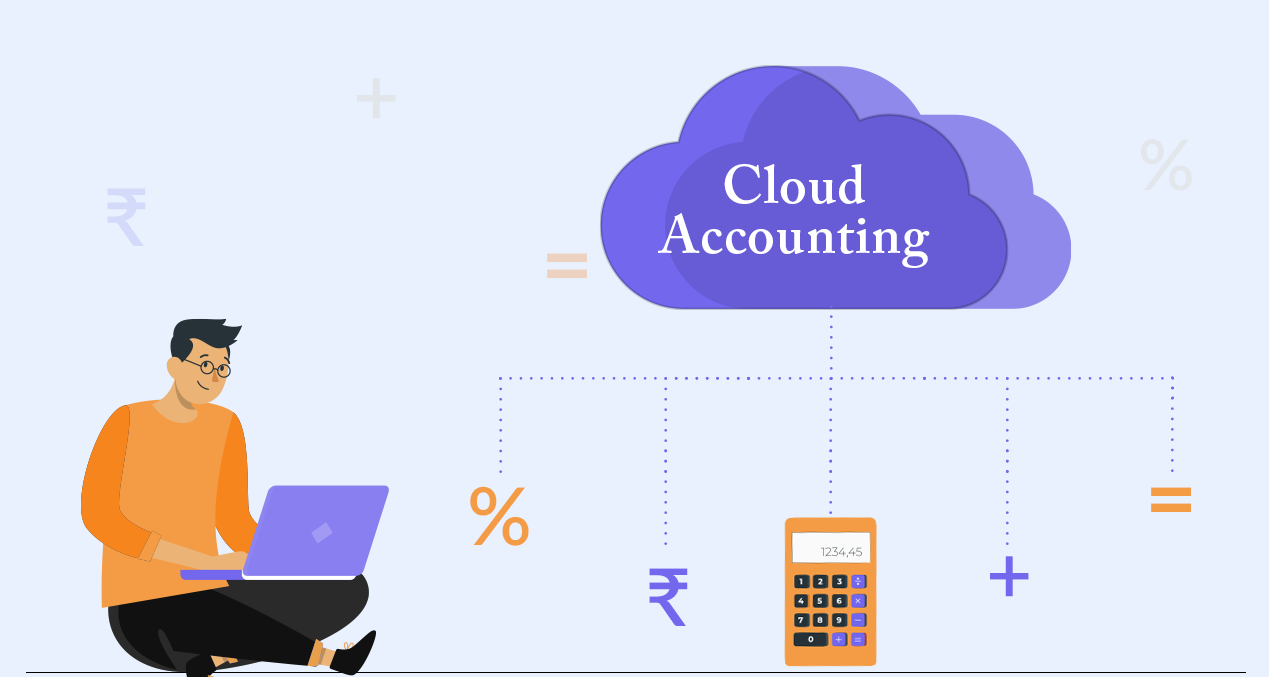
In the digital-first economy of 2026, businesses are rapidly shifting away from traditional accounting systems toward smarter, more flexible solutions. One of the most transformative innovations in this space is cloud accounting software—a technology that is redefining how companies manage their finances, collaborate with teams, and scale operations.
From startups to global enterprises, cloud-based accounting platforms like QuickBooks Online, Xero, and Zoho Books are becoming essential tools for modern financial management.
This article explores why cloud accounting software is the future of business finance, its benefits, key features, and how it is shaping the next generation of financial operations.
What Is Cloud Accounting Software?
Cloud accounting software is an online financial management system that allows businesses to store, access, and manage their accounting data via the internet instead of relying on local desktop installations.
Unlike traditional accounting software, cloud-based platforms:
- Operate on remote servers
- Offer real-time data access from anywhere
- Automatically update and sync information
- Enable collaboration across teams
In simple terms, it’s like having your entire accounting department accessible anytime, anywhere.
The Evolution of Accounting: From Manual to Cloud
Accounting has undergone massive transformation over the decades:
- Manual bookkeeping: Paper-based records and ledgers
- Desktop software: Installed programs like Sage 50
- Cloud accounting: Real-time, AI-powered, web-based systems
The shift to cloud accounting is driven by the need for speed, accuracy, automation, and scalability—all critical in today’s competitive business environment.
Key Benefits of Cloud Accounting Software
1. Anytime, Anywhere Access
One of the biggest advantages of cloud accounting is accessibility. Business owners, accountants, and team members can log in from any device—whether in the office, at home, or on the go.
This is especially important for:
- Remote teams
- Digital entrepreneurs
- Multi-location businesses
2. Real-Time Financial Insights
Cloud platforms provide live financial data, allowing businesses to:
- Track cash flow instantly
- Monitor expenses and revenue
- Make faster, data-driven decisions
With tools like Xero, dashboards update automatically, eliminating the need for manual reporting.
3. Automation & AI Integration
Modern cloud accounting software leverages artificial intelligence to automate repetitive tasks such as:
- Transaction categorization
- Invoice generation
- Bank reconciliation
For example, QuickBooks Online uses AI to suggest expense categories and detect anomalies, reducing human error.
4. Cost Efficiency
Traditional accounting systems often require:
- Expensive licenses
- Hardware infrastructure
- IT maintenance
Cloud solutions operate on a subscription-based model, making them more affordable and scalable for small businesses.
5. Enhanced Security
Many business owners worry about storing financial data online, but cloud accounting platforms offer enterprise-grade security, including:
- Data encryption
- Secure backups
- Multi-factor authentication
In many cases, cloud systems are safer than local storage, which is vulnerable to theft, damage, or system failure.
6. Seamless Integration
Cloud accounting tools integrate easily with other business systems, including:
- Payment gateways (Stripe, PayPal)
- eCommerce platforms (Shopify, WooCommerce)
- CRM software
- Payroll systems
For instance, FreshBooks integrates smoothly with various payment tools, simplifying billing processes.
Why Cloud Accounting Is the Future
1. Rise of Remote Work
The global shift toward remote and hybrid work models has made cloud-based solutions essential. Teams need access to financial data without being tied to a physical office.
Cloud accounting enables seamless collaboration between:
- Business owners
- Accountants
- Financial advisors
2. Demand for Real-Time Decision Making
In today’s fast-moving markets, waiting for monthly reports is no longer practical. Businesses need instant financial visibility to stay competitive.
Cloud accounting provides:
- Live dashboards
- Instant reporting
- Predictive analytics
3. Scalability for Growing Businesses
As businesses grow, their financial systems must scale with them. Cloud accounting platforms allow users to:
- Add new features easily
- Upgrade plans as needed
- Handle increasing transaction volumes
Solutions like Oracle NetSuite are designed specifically for high-growth companies.
4. Continuous Innovation
Unlike traditional software, cloud platforms receive automatic updates, ensuring users always have access to the latest features, including:
- AI-powered forecasting
- Tax compliance updates
- Improved user interfaces
This eliminates the need for manual upgrades or costly migrations.
Key Features to Look for in Cloud Accounting Software
When choosing a cloud accounting solution, consider the following features:
1. Automated Bookkeeping
Look for tools that automatically track and categorize transactions.
2. Invoicing & Billing
Professional invoicing with automated reminders improves cash flow.
3. Financial Reporting
Access to real-time profit & loss statements, balance sheets, and cash flow reports.
4. Multi-Currency Support
Essential for businesses operating internationally.
5. Mobile Access
A strong mobile app ensures you can manage finances on the go.
6. Integration Capabilities
- Compatibility with your existing tools is crucial.
- Cloud Accounting vs Traditional Accounting
[table id=2 /]
👉 Conclusion: Cloud accounting clearly outperforms traditional systems in flexibility and efficiency.
Challenges of Cloud Accounting (And How to Overcome Them)
While cloud accounting offers many benefits, it’s not without challenges:
1. Internet Dependency
- Since it’s cloud-based, you need a stable internet connection.
- Solution: Use offline backups or mobile data as a backup option.
2. Learning Curve
- Switching from traditional systems can take time.
- Solution: Choose user-friendly platforms like Zoho Books or FreshBooks.
3. Subscription Costs
- Ongoing fees may seem higher over time.
- Solution: Compare plans and choose only the features you need.
Top Cloud Accounting Software in 2026
- Here are some of the most popular cloud accounting tools today:
- QuickBooks Online – Best overall Solution
- Xero – Best for automation and collaboration
- FreshBooks – Best for freelancers
- Zoho Books – Best budget option
- Oracle NetSuite – Best for scaling businesses
Each of these platforms offers unique strengths depending on your business size and needs.
Future Trends in Cloud Accounting
The future of cloud accounting is incredibly promising, with several trends shaping the industry:
1. AI-Powered Financial Assistants
AI will handle complex tasks like forecasting, fraud detection, and financial planning.
2. Predictive Analytics
Businesses will be able to anticipate financial outcomes and make proactive decisions.
3. Blockchain Integration
Improved transparency and security in financial transactions.
4. Embedded Finance
Financial services integrated directly into business platforms.
How to Transition to Cloud Accounting
If you’re still using traditional accounting software, here’s how to switch:
- Choose the right platform based on your needs
- Migrate existing financial data
- Train your team
- Integrate with other tools
- Monitor and optimize usage
Most providers offer onboarding support to make the transition smooth.
Final Verdict
Cloud accounting software is not just a trend—it’s the future of business finance.
With its ability to deliver real-time insights, automate tasks, enhance collaboration, and scale with your business, it has become an essential tool for companies of all sizes.
Whether you’re a freelancer, small business owner, or growing enterprise, adopting cloud accounting solutions like QuickBooks Online or Xero can significantly improve your financial management and decision-making.
Conclusion
The shift to cloud accounting represents a major leap forward in how businesses handle their finances. It empowers organizations to operate more efficiently, stay compliant, and make smarter decisions in real time.
As technology continues to evolve, businesses that embrace cloud accounting early will gain a competitive edge—while those that resist risk falling behind.
If you’re serious about scaling your business in 2026 and beyond, now is the time to move your accounting to the cloud.