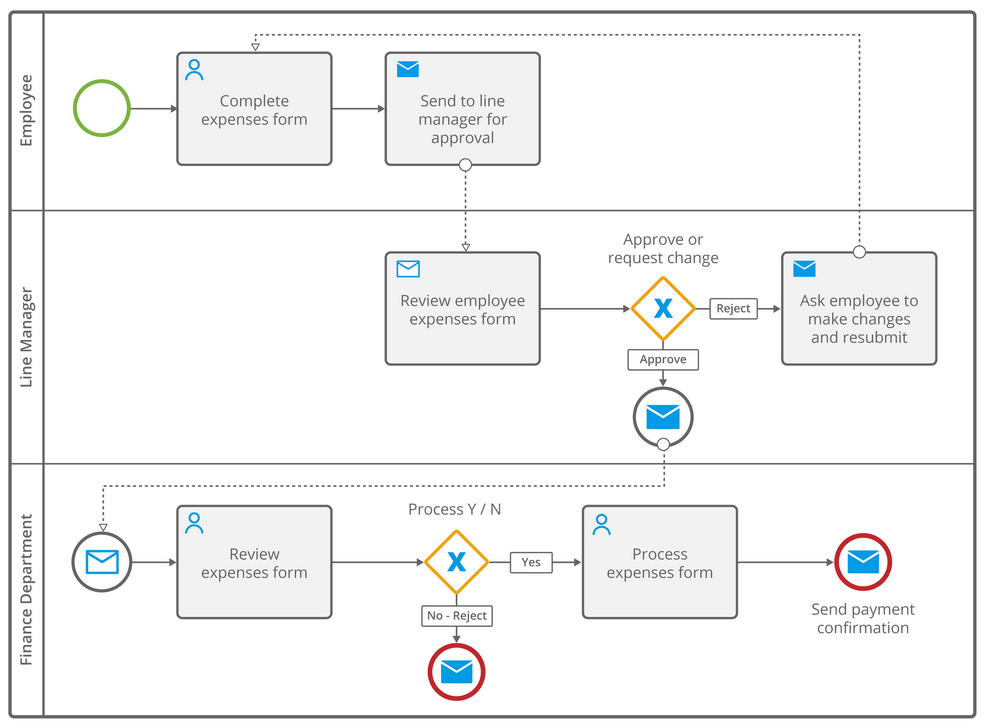
In today’s fast-paced digital economy, businesses are constantly seeking ways to streamline operations, reduce costs, and improve accuracy. One of the most impactful transformations has been the rise of Finance Software-as-a-Service (SaaS) tools that automate accounting processes. These platforms are reshaping how companies manage financial data, replacing manual bookkeeping with intelligent, cloud-based automation.
From startups to large enterprises, Finance SaaS solutions are becoming indispensable. This article explores how these tools work, their key benefits, and the top platforms that are revolutionizing accounting automation.
What Is Finance SaaS?
Finance SaaS refers to cloud-based financial software that businesses access via the internet rather than installing on local machines. These tools are typically subscription-based and provide features such as bookkeeping, invoicing, payroll, tax compliance, and financial reporting.
Unlike traditional accounting software, SaaS solutions offer:
- Real-time data access
- Automatic updates
- Scalability
- Integration with other business systems
Popular platforms like QuickBooks, Xero, and FreshBooks have set the standard for modern accounting automation.
Why Automating Accounting Processes Matters
Manual accounting is time-consuming and prone to human error. Businesses that rely on spreadsheets or outdated systems often struggle with inefficiencies, inaccuracies, and compliance risks.
Automation solves these challenges by:
- Reducing manual data entry
- Improving accuracy with AI-driven calculations
- Providing real-time financial insights
- Enhancing compliance with tax regulations
- Saving time and operational costs
In essence, automation allows businesses to focus more on strategic growth rather than routine bookkeeping.
Key Features of Finance SaaS Tools
1. Automated Bookkeeping
Modern SaaS tools automatically categorize transactions, reconcile bank accounts, and maintain accurate ledgers. By integrating directly with bank feeds, these systems eliminate the need for manual entry.
For example, QuickBooks can automatically import transactions and classify expenses using machine learning.
2. Smart Invoicing and Billing
Finance SaaS platforms enable businesses to create, send, and track invoices automatically. Recurring billing features are especially useful for subscription-based businesses.
Tools like FreshBooks allow users to:
- Send automated payment reminders
- Accept online payments
- Track invoice status in real-time
3. Expense Tracking
Automated expense tracking ensures that all business expenses are recorded accurately. Many tools allow users to upload receipts via mobile apps, which are then processed using OCR (Optical Character Recognition).
This feature reduces paperwork and ensures compliance during audits.
4. Payroll Automation
Payroll is one of the most complex accounting processes. Finance SaaS tools automate salary calculations, tax deductions, and compliance reporting.
Platforms like Gusto simplify payroll by:
- Automating tax filings
- Managing employee benefits
- Generating payslips instantly
5. Financial Reporting and Analytics
Real-time reporting is a game-changer for businesses. Finance SaaS tools generate financial statements such as:
- Profit and loss reports
- Balance sheets
- Cash flow statements
With advanced analytics, businesses can make data-driven decisions faster.
6. Tax Compliance Automation
Tax regulations are constantly changing, making compliance challenging. SaaS tools automatically update tax rules and calculate liabilities accurately.
For instance, Xero offers built-in tax compliance features that help businesses stay aligned with local regulations.
7. Integration with Other Systems
Finance SaaS tools integrate seamlessly with CRM, ERP, e-commerce, and payment gateways. This creates a unified ecosystem where data flows automatically between systems.
For example, integration with platforms like Shopify allows automatic syncing of sales data with accounting records.
Benefits of Using Finance SaaS for Accounting Automation
1. Time Efficiency
Automation significantly reduces the time spent on repetitive tasks. What once took hours can now be completed in minutes.
2. Cost Savings
By reducing manual labor and minimizing errors, businesses save on operational costs and avoid costly mistakes.
3. Improved Accuracy
AI-driven systems ensure that calculations and data entries are accurate, reducing the risk of financial discrepancies.
4. Scalability
As businesses grow, Finance SaaS tools can scale effortlessly without requiring additional infrastructure.
5. Remote Accessibility
Since these tools are cloud-based, users can access financial data from anywhere, making them ideal for remote teams.
6. Enhanced Security
Leading SaaS providers implement advanced security measures such as encryption, multi-factor authentication, and regular backups.
Top Finance SaaS Tools for Accounting Automation
1. QuickBooks Online
QuickBooks is one of the most widely used accounting platforms globally. It offers:
- Automated bookkeeping
- Expense tracking
- Tax preparation tools
- Customizable reports
Ideal for small to medium-sized businesses.
2. Xero
Xero is known for its user-friendly interface and powerful integrations. Key features include:
- Real-time financial data
- Bank reconciliation
- Inventory management
- Multi-currency support
3. FreshBooks
FreshBooks is perfect for freelancers and service-based businesses. It excels in:
- Invoicing automation
- Time tracking
- Expense management
- Client communication
4. Zoho Books
Zoho Books offers a comprehensive suite of accounting tools integrated with the Zoho ecosystem.
Features include:
- Workflow automation
- Tax compliance
- Financial reporting
- Integration with other Zoho apps
5. Sage Business Cloud Accounting
Sage provides robust accounting solutions for growing businesses.
It includes:
- Cash flow management
- Invoice automation
- Compliance tools
- Advanced reporting
How AI Enhances Accounting Automation
Artificial Intelligence is at the core of modern Finance SaaS tools. AI enables:
- Predictive analytics for forecasting
- Automated anomaly detection
- Smart categorization of transactions
- Chatbots for financial queries
For example, AI can analyze spending patterns and suggest cost-saving opportunities, giving businesses a competitive edge.
Challenges of Finance SaaS Adoption
While the benefits are significant, there are some challenges to consider:
1. Data Security Concerns
Despite strong security measures, storing financial data in the cloud may raise concerns for some businesses.
2. Subscription Costs
Although SaaS tools reduce operational costs, ongoing subscription fees can add up over time.
3. Learning Curve
Adopting new systems may require training and adjustments for employees.
4. Internet Dependency
Since these tools are cloud-based, reliable internet access is essential.
Best Practices for Implementing Finance SaaS Tools
To maximize the benefits of accounting automation, businesses should follow these best practices:
1. Choose the Right Tool
Evaluate your business needs and select a platform that aligns with your requirements.
2. Ensure Proper Integration
Integrate the SaaS tool with existing systems to create a seamless workflow.
3. Train Your Team
Provide adequate training to ensure employees can use the system effectively.
4. Regularly Monitor Performance
Track key performance indicators (KPIs) to measure the effectiveness of automation.
5. Maintain Data Security
Implement strong security policies and regularly update passwords and access controls.
Future Trends in Finance SaaS and Accounting Automation
The future of Finance SaaS is promising, with several emerging trends:
1. Advanced AI and Machine Learning
AI will continue to evolve, offering deeper insights and more accurate predictions.
2. Blockchain Integration
Blockchain technology may enhance transparency and security in financial transactions.
3. Real-Time Collaboration
Teams will be able to collaborate on financial data in real time, improving decision-making.
4. Hyper-Automation
Combining AI, robotic process automation (RPA), and analytics will lead to fully automated financial ecosystems.
Conclusion
Finance SaaS tools are transforming the accounting landscape by automating complex processes, improving accuracy, and providing real-time insights. Platforms like QuickBooks, Xero, and FreshBooks have made it easier than ever for businesses to manage their finances efficiently.
By adopting these tools, companies can reduce manual workloads, minimize errors, and focus on strategic growth. As technology continues to evolve, Finance SaaS solutions will play an even more critical role in shaping the future of accounting.
For businesses looking to stay competitive, investing in accounting automation is no longer optional—it’s essential.